
NMEA 2000 Push Pull Connector
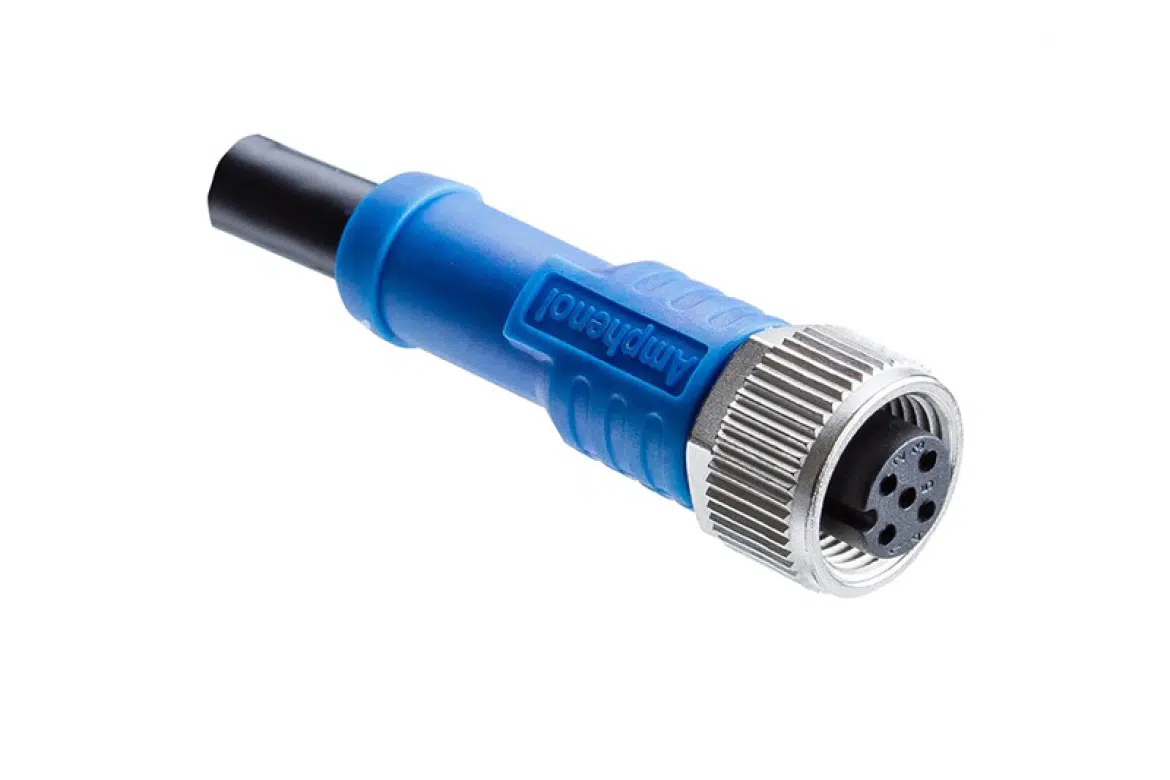
Amphenol LTW is pleased to launch the PUSH PULL version of the NMEA 2000 Connector. With a unique technology patent, the PUSH PULL connector is 100% truly backward compatible with all female M12*1.0 sockets. The Push Pull mechanism design enables audible feedback as the user pushes it toward its mating pair. This feature allows the push-pull to be rapidly deployed in a fast phase.
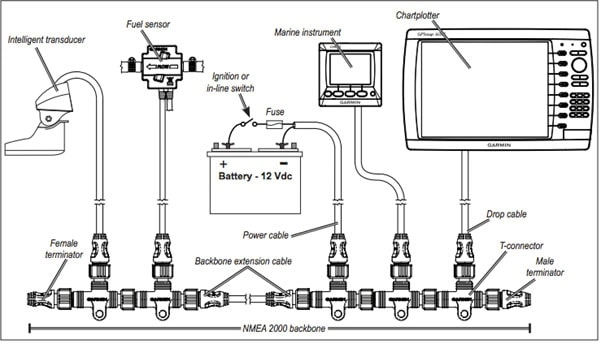
Compared to screw coupling that requires several turns to tighten, with the unique mechanism design, a single push is enough to secure its coupling and ensure against water and dust ingress. The NMEA 2000 network uses one central cable, a backbone connecting various instruments on a boat, allowing them to share data and power. The backbone relays data among the instruments, and drop cables connect devices to this backbone, ensuring efficient communication and reliable cabling solutions for marine electronics installations.
Key Features
Compared to screw coupling that requires several turns to tighten, with the unique mechanism design, a single push is enough to secure its coupling and ensure against water and dust ingress. The NMEA 2000 network uses one central cable, a backbone connecting various instruments on a boat, allowing them to share data and power. The backbone relays data among the instruments, and drop cables connect devices to this backbone, ensuring efficient communication and reliable cabling solutions for marine electronics installations.
Key Features
- Innovative Spring Lock Design: Features a unique technology patent that ensures secure and efficient connections.
- Universal Compatibility: Fully backward compatible with all female M12 * 1.0 sockets from various manufacturers, ensuring seamless integration.
- Efficient Installation: Reduces installation time by over 80% compared to traditional M12 screw thread connections, streamlining setup processes.
- Upcoming Certification: Anticipated NMEA 2000 certification by Q2 2025, guaranteeing compliance with industry standards and reliable performance.
- Secure Connections: The innovative design ensures that connections remain stable and safe, reducing the risk of disconnections.
- Seamless Integration: Backward compatibility allows easy integration with existing systems, saving time and resources.
- Time-Saving: The efficient installation process significantly reduces setup time, allowing quicker deployment.
- Assured Reliability: The upcoming certification ensures that the product meets high industry standards, providing peace of mind for users.
What is NMEA 2000?
NMEA 2000 is a plug-and-play communication standard that connects marine sensors and display units within ships and boats. This modern network standard allows devices from different manufacturers to communicate seamlessly, creating a cohesive network of electronic devices on a vessel. NMEA 2000 has revolutionized the integration of marine electronics and instruments onboard by enabling the exchange of data between various instruments and devices.
Network Structure:

Network Structure:
- Backbone Cable: Powers each instrument and relays data among all connected devices.
- Drop Cables: Connect individual devices to the backbone, ensuring efficient communication.
- Centralized System: Provides a unified approach to managing marine electronics.
NMEA 2000 Network Fundamentals
Understanding the NMEA 2000 network is crucial for efficient marine electronics integration. Here's a simplified breakdown:
Network Topology:

Network Topology:
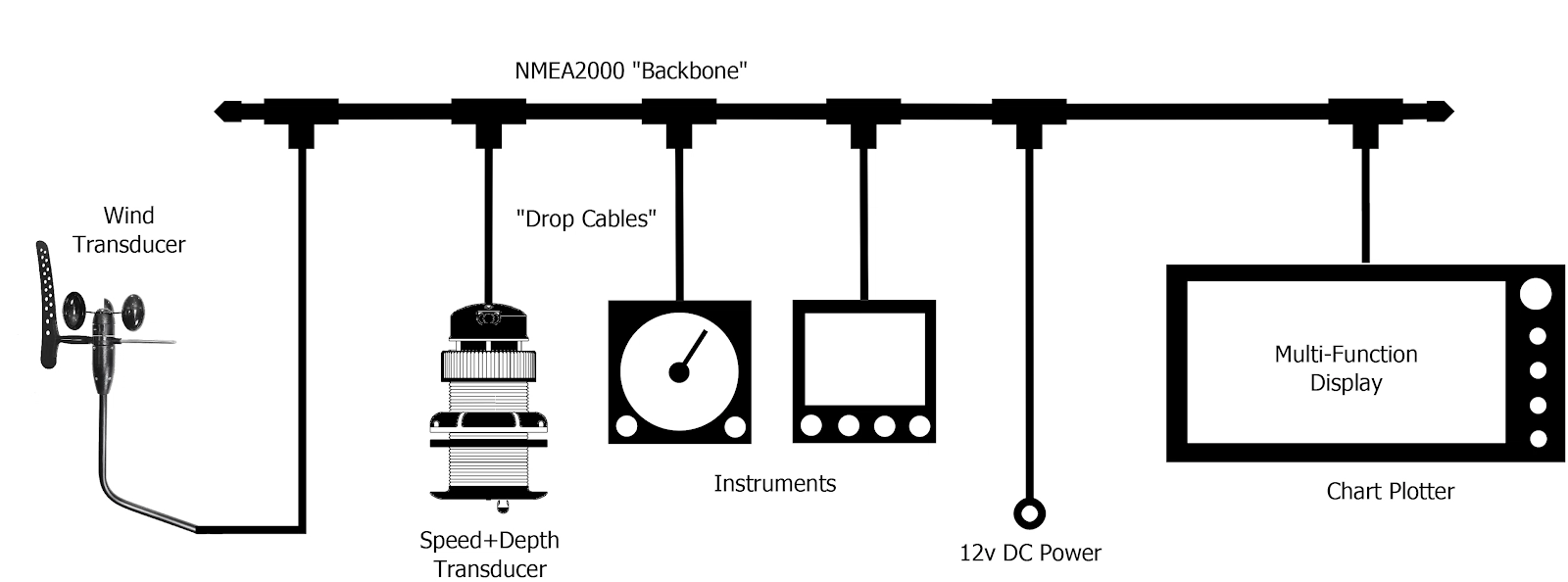
- Utilizes a bus topology, allowing multiple devices to communicate over a single network backbone cable.
- Drop cables with T-connectors are used to connect devices to the leading network.
- Devices can be placed up to six meters from the backbone cable.
- The backbone cable can extend up to 250 meters (820 feet) for Mini cables or 100 meters (328 feet) for Micro cables.
- Requires a 120Ω termination resistor at each bus end to ensure proper signal transmission.
- The plug-and-play nature allows devices from different manufacturers to communicate efficiently.
- Simplifies the setup and maintenance of marine electronics systems.
NMEA 2000 Technical Details
Communication Standard: NMEA 2000 facilitates efficient information exchange among marine electronic devices.
Packet Structure: Messages are sent as packets, each comprising a header and typically 8 bytes of data.
Header Information:
Enhanced Integration: By using this communication method, NMEA 2000 boosts the integration and performance of marine electronics, ensuring seamless operation in the aquatic environment.
Packet Structure: Messages are sent as packets, each comprising a header and typically 8 bytes of data.
Header Information:
- Identifies the device sending the message.
- Specifies the intended recipient.
- Indicates the message priority.
- The Parameter Group Number (PGN) defines the message type and data interpretation.
- Works with the Controller Area Network (CAN Bus), which is used in road vehicles and fuel engines.
- Based on the SAE J1939 protocol, with messages tailored for marine environments.
Enhanced Integration: By using this communication method, NMEA 2000 boosts the integration and performance of marine electronics, ensuring seamless operation in the aquatic environment.
NMEA 2000 Message Format and PGNs
NMEA 2000 messages are transmitted as packets, each consisting of a header and typically 8 bytes of data. The header specifies the transmitting device, the intended recipient, the message priority, and the Parameter Group Number (PGN). The PGN indicates the message type and how the data bytes should be interpreted.
The NMEA 2000 standard categorizes PGNs into several groups:

The NMEA 2000 standard categorizes PGNs into several groups:
- System Messages: Manage the network and provide information about connected devices.
- Sensor Messages: Transmit data from sensors like GPS receivers, depth sounders, and wind instruments.
- Control Messages: Used to control devices such as autopilots and engine controllers.
- Diagnostic Messages: Provide diagnostic information about devices and the network.
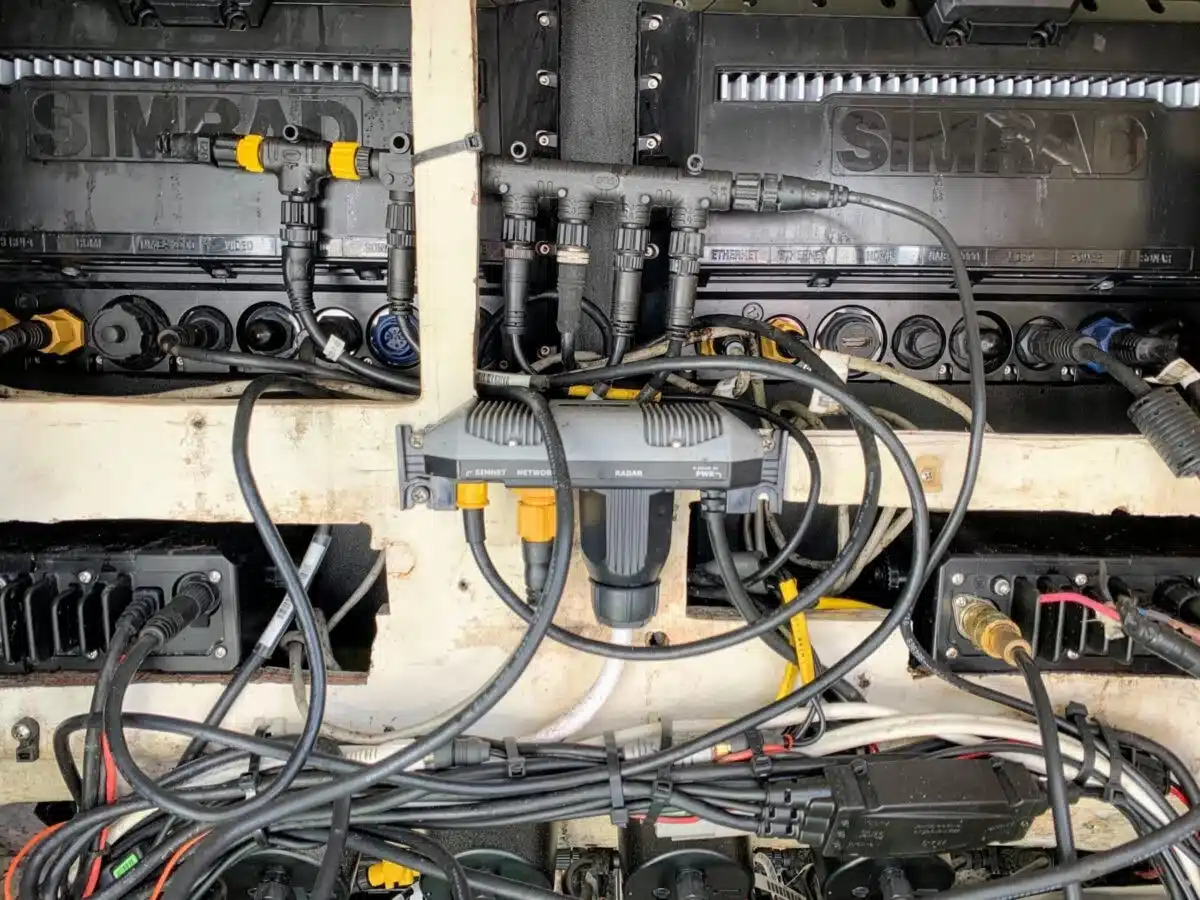
Setting Up an NMEA 2000 Network
Setting up an NMEA 2000 network involves several key steps to ensure efficient communication and integration of marine electronics. Here's a step-by-step guide:
By following these steps, you can create a reliable and efficient NMEA 2000 network that enhances the integration and performance of your marine electronics systems.

- Plan Your Network:
- Identify the devices you want to connect, such as GPS receivers, depth sounders, and engine monitors.
- Determine the network topology and layout, considering the location of devices and the length of cables needed.
- Select the Right Cables and Connectors:
- Depending on the size of your vessel and power requirements, you should choose the appropriate backbone cable (mini or micro).
- Use drop cables to connect individual devices to the backbone.
- Install the Backbone:
- Run the backbone cable along the vessel's length, ensuring it reaches all areas where devices will be installed.
- Secure the cable to prevent movement and potential damage.
- Connect Devices Using T-connectors:
- Use T-connectors to attach drop cables from each device to the backbone.
- Ensure connections are secure to prevent disconnections in rough marine environments.
- Install Termination Resistors:
- Place a 120Ω termination resistor at each end of the backbone to ensure proper signal transmission and network stability.
- Power the Network:
- Connect the power supply to the backbone, ensuring it can support the power requirements of all connected devices.
- Verify that the power cable is installed correctly to prevent voltage drops.
- Test the Network:
- Turn on all connected devices and check for proper operation and communication.
- Use diagnostic tools to verify data transmission and identify any connectivity or device functionality issues.
By following these steps, you can create a reliable and efficient NMEA 2000 network that enhances the integration and performance of your marine electronics systems.
NMEA 2000 Device Certification
The National Marine Electronics Association (NMEA) offers a certification program to ensure that devices meet the NMEA 2000 standard. This certification guarantees that devices from different manufacturers can communicate effectively and maintain high performance and reliability.
To achieve certification, a device must comply with several requirements:
To achieve certification, a device must comply with several requirements:
- Adherence to the NMEA 2000 message format and PGNs.
- Capability to transmit and receive data at specified rates.
- Functionality on a network with multiple devices.
- Provision of diagnostic information.
- Message Format and PGN Testing: Ensures correct transmission and reception of messages.
- Data Transmission and Reception Testing: Verifies data handling at required rates.
- Network Testing: Confirms device operation within a multi-device network.
- Diagnostic Testing: Checks the device’s ability to provide diagnostic information.
NMEA 2000 in the Marine Electronics Industry
NMEA 2000 has become a cornerstone in the marine electronics industry, revolutionizing how devices communicate and integrate on vessels. Here's how it enhances the marine environment:
Key Devices:
Key Devices:
- GPS receivers
- Autopilots
- Wind instruments
- Depth sounders
- Navigation instruments
- Engine instruments
- Nautical chart plotters
- Comprehensive Systems: Creates interconnected onboard systems, enhancing safety, convenience, and operational efficiency.
- Cost-Effective: Utilizes off-the-shelf components, reducing system complexity and costs.
- Plug-and-Play: Allows seamless connection of devices from different manufacturers, simplifying installation.
- Real-Time Data: Supports immediate access to critical information across various instruments.
- Durability: Designed to withstand harsh marine conditions, ensuring reliability.
- Interoperability: Essential for reliable communication and data sharing in navigation, monitoring, and control.
- Larger Vessels: Vital for managing multiple systems efficiently.
- Ongoing Development: Continual improvements by the National Marine Electronics Association (NMEA) keep it at the forefront of marine technology.
NMEA 2000 Connectors and Cabling
The National Marine Electronics Association (NMEA) approves the DeviceNet cabling standard for NMEA 2000 networks. This standard defines two sizes of cabling: Mini (or Thick) cable and Micro (or Thin) cable. Mini cable can carry up to 8 amperes of power supply current and is primarily used as a “backbone” for larger vessels. Micro cable, rated for up to 3 amperes, connects the network backbone and individual components. This standardized cabling, which includes a power cable, ensures reliable power supply and data transmission across marine electronics systems.
Conclusion
NMEA 2000 has become an essential standard in the marine electronics industry, enabling seamless integration and communication among onboard electronic devices. Its robust design supports plug-and-play functionality, ensuring manufacturer compatibility and simplifying marine electronics installations. With the capability to efficiently share data and power through a unified network, NMEA 2000 enhances the performance and safety of aquatic systems. Understanding and implementing this standard allows boaters to create comprehensive, reliable, and energy-efficient onboard systems, ultimately elevating the marine experience.
FAQs on NMEA 2000
What does an NMEA 2000 do?
NMEA 2000 facilitates seamless communication between marine electronic devices, allowing them to share data and power efficiently. It creates a unified network for instruments like GPS, depth sounders, and engine monitors.
What is the purpose of the NMEA?
The National Marine Electronics Association (NMEA) aims to develop standards that ensure the compatibility and interoperability of marine electronics, enhancing safety and performance in the aquatic environment.
What engines are compatible with the NMEA 2000?
Many modern marine engines are compatible with NMEA 2000, allowing integration with onboard systems for real-time monitoring and control. However, compatibility may vary, so checking with the engine manufacturer is essential.
What is the difference between Ethernet and NMEA 2000?
While Ethernet is a general-purpose networking technology for high-speed data transfer, NMEA 2000 is specifically designed for marine environments. It focuses on reliability and simplicity when connecting marine sensors and devices.
Does my boat have an NMEA 2000?
To determine if your boat has an NMEA 2000 network, check for the presence of NMEA 2000 connectors and cabling in your marine electronics setup. Many newer vessels come equipped with this standard.
Does the NMEA 2000 power supply drain the battery?
NMEA 2000 networks are designed to be energy-efficient, minimizing battery drain while providing reliable data transmission and power supply to connected devices.
What is NMEA 2000 for dummies?
NMEA 2000 is a user-friendly communication standard that simplifies the connection and integration of marine electronics, enabling devices from different manufacturers to communicate on the same network.
What devices can connect to NMEA 2000 to connect marine sensors?
Many marine electronic devices, including GPS units, autopilots, depth sounders, engine monitors, and more, can connect to an NMEA 2000 network, facilitating a comprehensive onboard system.
What is the purpose of NMEA 2000?
NMEA 2000 aims to streamline communication and data sharing between marine electronic devices, ensure compatibility, and enhance the overall functionality of onboard systems.
NMEA 2000 facilitates seamless communication between marine electronic devices, allowing them to share data and power efficiently. It creates a unified network for instruments like GPS, depth sounders, and engine monitors.
What is the purpose of the NMEA?
The National Marine Electronics Association (NMEA) aims to develop standards that ensure the compatibility and interoperability of marine electronics, enhancing safety and performance in the aquatic environment.
What engines are compatible with the NMEA 2000?
Many modern marine engines are compatible with NMEA 2000, allowing integration with onboard systems for real-time monitoring and control. However, compatibility may vary, so checking with the engine manufacturer is essential.
What is the difference between Ethernet and NMEA 2000?
While Ethernet is a general-purpose networking technology for high-speed data transfer, NMEA 2000 is specifically designed for marine environments. It focuses on reliability and simplicity when connecting marine sensors and devices.
Does my boat have an NMEA 2000?
To determine if your boat has an NMEA 2000 network, check for the presence of NMEA 2000 connectors and cabling in your marine electronics setup. Many newer vessels come equipped with this standard.
Does the NMEA 2000 power supply drain the battery?
NMEA 2000 networks are designed to be energy-efficient, minimizing battery drain while providing reliable data transmission and power supply to connected devices.
What is NMEA 2000 for dummies?
NMEA 2000 is a user-friendly communication standard that simplifies the connection and integration of marine electronics, enabling devices from different manufacturers to communicate on the same network.
What devices can connect to NMEA 2000 to connect marine sensors?
Many marine electronic devices, including GPS units, autopilots, depth sounders, engine monitors, and more, can connect to an NMEA 2000 network, facilitating a comprehensive onboard system.
What is the purpose of NMEA 2000?
NMEA 2000 aims to streamline communication and data sharing between marine electronic devices, ensure compatibility, and enhance the overall functionality of onboard systems.